A blocked drain may turn a peaceful evening into an unpleasant disaster. One second, the water is flowing smoothly, the next second, your sink is filling up like a miniature swimming pool. That steady swirl of filthy water seems irritating, stressful, and costly at the same time. A lot of homeowners try to do a fast repair before they seek assistance, thinking that a simple home cure would do the trick.
The reality is plain. Certain home solutions might assist with minor drain issues, while others can silently make the clog worse. Knowing the difference may help you save money, protect your pipes, and keep your house cleaner and safer.
Boston Clear Drain has watched numerous people attempt every technique in the book, from baking soda to boiling water. Some techniques temporarily work, others merely push the blockage farther down in the pipe. The more you know about how things really function, the more power you have over the issue and the less likely you are to have greater plumbing problems later on.
If you have ever dealt with a slow-draining sink, bad smells, or water pooling around your feet during a shower, this guide will help you understand exactly what is happening inside your pipes.
Why Drains Get Blocked So Often
Your drains operate day in, day out. Every sink, shower and toilet transports waste via a network of pipes concealed behind your walls and beneath your flooring. Over time, such pipelines pick up materials that steadily build up and restrict the flow of water.
Common causes include:
- Grease buildup from cooking oils and fats
- Food waste blockage from coffee grounds, rice, pasta, and scraps
- Hair clog removal problems in showers and bathroom sinks
- Soap scum blockage from thick soap residue
- Dirt, lint, and paper products
- Mineral buildup from hard water
- Tree root intrusion inside underground pipes
Even a small pipe blockage can grow into a serious issue if ignored for too long.
The Truth About Popular Home Remedies
People like home remedies because they seem simple, inexpensive, and quick. But not every cure works as it should. Some approaches are useful for mild accumulation around the surface of the drain.
Others only create temporary relief before the problem returns again. Let’s look at the most common remedies homeowners try.
Baking Soda And Vinegar
This mixture is one of the oldest drain cleaning tricks around. The fizzing reaction can loosen small amounts of grime and residue inside pipes.
It works best for:
- Minor odors
- Light soap residue
- Small surface buildup
It does not work well for:
- Thick grease
- Heavy hair clogs
- Deep blockages
- Tree roots
The bubbling is remarkable, but the cleaning power is relatively modest. Many folks anticipate significant effects and are disappointed when the drain slows down again a few days later.
But sometimes it helps clear drains and make pipes cleaner.
Boiling Water
Hot water can melt small amounts of grease inside kitchen pipes. It is one of the simplest methods for light clogs. However, there is an important catch.
Boiling water can damage older pipes, especially certain plastic plumbing lines. It can also soften grease temporarily before the grease hardens deeper down the pipe.
This means the clog sometimes moves deeper instead of disappearing. That is why many homeowners eventually need kitchen drain cleaning after repeated grease problems.
Dish Soap And Hot Water
Dish soap helps break down oily residue inside pipes. Combined with warm water, it may help loosen minor grease buildup. This method works better as maintenance rather than a cure for a serious clogged drain.
If there is water in the sink already, the blockage is typically too solid to be fixed with dish soap alone.
Plungers
A plunger creates pressure that can push blockages loose. It remains one of the most useful tools for small clogs.
Plungers often help with:
- Toilets
- Bathroom sinks
- Small shower clogs
They usually struggle with:
- Deep sewer line issues
- Thick grease buildup
- Large debris
Good plunging technique matters. Weak pressure often does nothing at all.
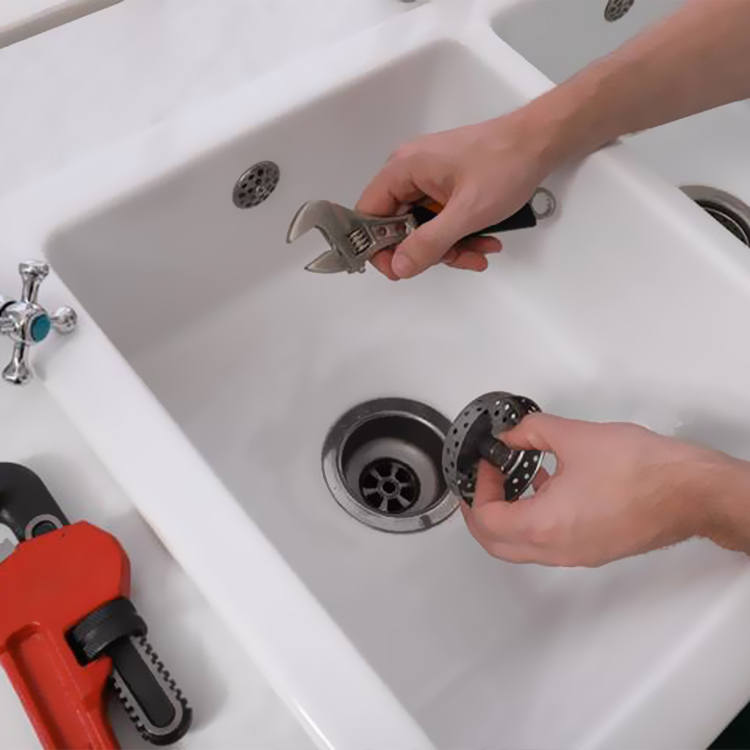
Wire Hangers And DIY Tools
Many people straighten a wire hanger and push it into the drain to pull out hair or debris. This can sometimes help with a shower drain blockage or light hair buildup near the drain opening.
However, homemade tools can:
- Scratch pipes
- Damage drain coatings
- Push clogs deeper
- Break apart inside pipes
Professional tools work far better because they are designed to clear pipes safely.
Chemical Drain Cleaners
Store-bought chemical cleaners promise fast results, but they often create hidden problems.
These cleaners use harsh chemicals that generate heat inside pipes. While they may dissolve some buildup, they can also weaken older plumbing over time.
Chemical cleaners may:
- Damage pipes
- Harm septic systems
- Create toxic fumes
- Cause skin burns
- Fail against deep clogs
Many plumbers find pipes damaged after repeated chemical use. That is why Boston Clear Drain often recommends safer methods first.
When Home Remedies Actually Help
Home remedies can work in certain situations. They are most effective when:
- The clog is small
- The blockage is near the drain opening
- Water still drains slowly
- The buildup is recent
- The pipe is otherwise healthy
A simple clog caught early is much easier to manage.
For example:
- A light bathtub drain clog caused by fresh soap residue may improve with hot water and dish soap.
- Minor bathroom odors may improve with baking soda.
- Small grease deposits may loosen with warm water.
Quick action often prevents larger repairs later.
When Home Remedies Stop Working
Some drain problems are simply too large or too deep for DIY methods. Signs of a bigger issue include:
- Repeated clogs
- Multiple drains are backing up
- Gurgling sounds
- Foul smells
- Water backing into tubs or sinks
- Persistent standing water
- Slow drainage throughout the house
These symptoms often point to problems in the main drain line rather than a single sink or shower. In these situations, stronger tools and proper inspections become necessary.
Tools Professionals Use That Homeowners Usually Don’t Have
Professional drain specialists use equipment designed to clear pipes safely and completely. Common tools include:
Drain Snake
A drain snake reaches deep inside pipes to break apart stubborn clogs.
Plumbing Auger
A plumbing auger handles tougher blockages and reaches farther into sewer systems.
Hydro Jetting
Hydro jetting uses high-pressure water to clean the inside of pipes thoroughly. It removes grease, sludge, and debris from pipe walls.
Video Camera Inspection
A video camera inspection helps locate hidden clogs, cracks, or tree roots without digging.
Drain Inspection
A full drain inspection helps identify the real source of recurring problems. These tools provide much deeper cleaning than household remedies ever can.
Different Drains Need Different Care
Every drain in your home handles different materials. That means each one develops unique problems over time.
Bathroom Drain Cleaning
Bathroom pipes often collect:
- Hair
- Soap residue
- Toothpaste buildup
Regular bathroom drain cleaning helps prevent unpleasant odors and standing water.
Floor Drain Cleaning
Basement and garage drains collect dirt, debris, and mud. Proper floor drain cleaning helps reduce flooding risks during heavy rain.
Sewer Drain Cleaning
Deep sewer issues require stronger equipment. Sewer drain cleaning often removes roots, grease, and large blockages inside underground pipes.
Residential Drain Cleaning
Homes benefit from regular residential drain cleaning because small issues are caught before they become expensive repairs.
Commercial Drain Cleaning
Restaurants and businesses often need frequent commercial drain cleaning because heavy daily use creates faster buildup.
Preventing Future Drain Problems
Drain care works best when it becomes part of your normal home routine. Helpful habits include:
- Avoid pouring grease into sinks
- Use drain strainers
- Flush drains with warm water weekly
- Keep hair out of the shower drains
- Avoid flushing wipes
- Schedule regular drain maintenance
- Use preventive drain cleaning when needed
Simple habits reduce stress and help your plumbing last longer.
Why Drain Odors Matter
Bad smells coming from drains usually signal trapped buildup inside pipes. Common causes include:
- Rotting food
- Grease
- Mold
- Bacteria
- Sewer gas
Proper drain odor removal improves indoor air quality and helps your home feel cleaner and fresher.
Persistent odors often point to deeper issues that need attention.
Serious Warning Signs You Should Never Ignore
Some drain problems can quickly grow into larger plumbing emergencies.
Watch for:
- Water is backing up into multiple drains
- Flooding near the basement drains
- Strong sewage smells
- Frequent toilet overflows
- A possible sewer backup
These situations may require emergency drain cleaning immediately to prevent water damage and sanitation issues. In severe cases, a trained professional plumber may need to inspect the system thoroughly.
FAQs
Can natural drain cleaning methods fully remove deep pipe clogs?
Natural cleaning methods usually help with surface-level buildup and early-stage clogs. Deep blockages inside sewer lines or heavily packed pipes often need specialized equipment like hydro jetting or mechanical drain cleaning tools for full removal.
Why do drains clog again after using store-bought cleaners?
Many chemical cleaners only create a narrow opening through the blockage instead of clearing the entire pipe. Grease, sludge, hair, and debris remain attached to the pipe walls, which allows the clog to quickly return after normal water use.
Final Verdict
Home remedies may work well for mild clogs and little buildup, particularly if you catch the issue early. They may assist in refreshing pipes and, for a while, ease poor drainage. However, larger obstructions frequently need more powerful equipment and careful inspections to properly identify and resolve the issue.
Sometimes, many do-it-yourself efforts might push blockages farther down the line, leading to worse plumbing problems later. That is why many homeowners eventually turn to a trusted drain cleaning company when simple fixes stop working.
Boston Clear Drain understands how frustrating clogged drains can feel because drain problems interrupt daily life fast. Their experience with expert drain cleaning in Boston helps homeowners identify the real cause of stubborn blockages before the damage grows worse.
When home solutions don’t speed up drains, professional care is typically the wisest and safest way to go. Boston Clear Drain continues to provide local households with dependable inspections, effective cleaning procedures, and long-term drain maintenance to keep water flowing smoothly. Many residents looking for expert drain cleaning in Boston trust Boston Clear Drain because clear pipes create a cleaner, safer, and more comfortable home.